


A Shared Language for Capacity Under Pressure.
A STRATEGIC IMPERATIVE FOR EVERY TEAM
You’ve probably got this covered already with leadership and management training, an employee assistance programme,
a wellbeing calendar full of good intentions and you already know there’s still a piece missing. It isn’t leadership. It isn’t wellbeing.
It’s Nervous System Literacy, the language that runs through every manager and every team, not just the policy on the intranet.
What Is Nervous System Literacy?
Nervous System Literacy is the universal language for how the body responds to stress and safety and the ability to notice the physical signs of activation and shutdown, and to use simple, practical tools to return to regulation even in the presence of pressure, stress and challenge.
By observing how nervous system states are expressed through voice, physiology, behaviour and human connection, Nervous System Literacy equips managers and teams to recognise what words alone cannot reveal. This enables them to respond to the person, not just the presentation.
Our methodology is designed to make Nervous System Literacy practical, memorable and actionable, rather than teaching theory alone. We provide a series of interconnected frameworks that help people recognise, understand and respond to nervous system states in everyday life creating a Shared Organisational Language that runs consistently through every team, from the newest starter to the leadership team.

Embodied Awareness.
Learning to name what’s actually happening in the body from shallow breathing, heat, fatigue, a racing heart before reacting on autopilot.

Protective States.
Understanding that fight, flight and freeze are intelligent survival responses not personal flaws or character failings and not a sign that someone is bad at their job.
Traffic Lights of Tolerance™
RECOGNISE THE STATE

SHUT DOWN
BEHAVIOURS
- Manager avoids difficult conversations altogether
- Team goes quiet in meetings, stops contributing
- Decisions get delayed or dodged
- One-to-ones cancelled or rushed
- Withdrawal from collaboration
- Same issues raised again and again, never resolved
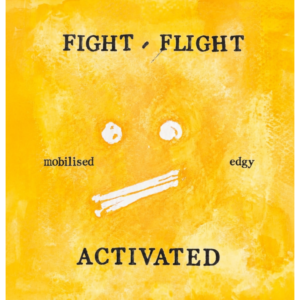
ACTIVATED
BEHAVIOURS
- Manager micromanages or over-controls
- Snapping in meetings, short tempers
- Constant firefighting, no time to plan
- Team conflict left to fester, then explodes.………
- Rapid, reactive decision-making
- High turnover on the team
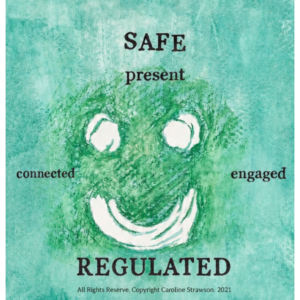
REGULATED
BEHAVIOURS
- Manager has difficult conversations early and calmly
- Team feels safe to speak up and disagree
- Clear, consistent decision-making
- One-to-ones happen and actually help
- Conflict addressed before it escalates
- Strong retention and trust
Capacity Under Pressure™
Every person has a capacity, a cup that can hold a certain amount before it overflows. What changes is not the pressure, but the size of the cup and how full it already is before the next demand arrives.
Most people assume the goal is a calm team. It rarely is, not with deadlines, change, targets and everyday pressure. The real goal is capacity, a team’s ability to hold real stress and pressure yet still stay regulated. Nervous System Literacy also means people can notice what’s happening in themselves in the moment, so they get to choose how they respond, rather than automatically react.
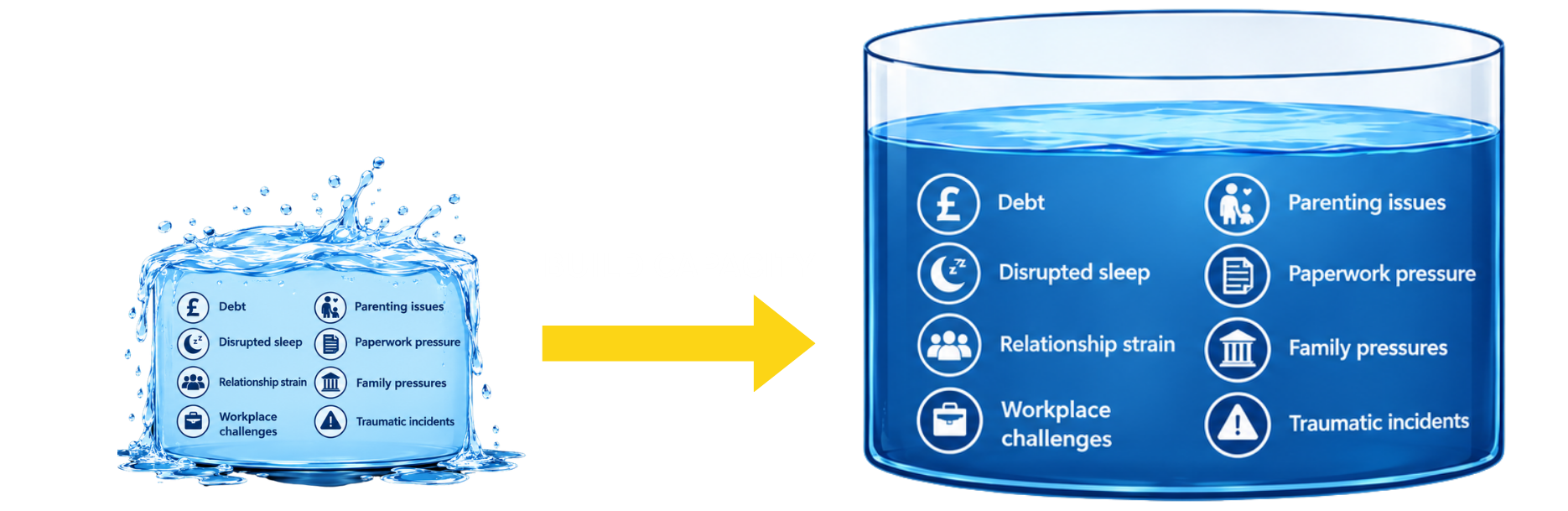
The cup is illustrative.
What fills it changes depending on who’s carrying it.
For a manager, that cup might be holding an understaffed team, mounting targets, a difficult conversation they’ve been putting off, back-to-back one-to-ones with no breathing space, and whatever they’re carrying at home before they even walk through the door.
For the team underneath them, it might be unclear priorities, constant change and a manager who’s already running close to full themselves.
None of it shows up on a performance dashboard.
All of it shows up in how the team responds under pressure.
Building capacity does not remove what sits in the cup.
It changes how regulated someone is in the way they carry it so they are more likely to stay present and de-escalate, rather than let the situation intensify.
HOW IT SHOWS UP
Employee Absenteeism
12 BILLION WORKING DAYS LOST ANNUALLY
Sickness spikes in the same busy period each year because the cup is never emptied between peaks.
Restructuring & Change
40% OF EMPLOYEES EXPERIENCE DAILY STRESS
Experienced staff leave not because of one bad shift but because the cup never had the chance to empty and burnout.
The Accidental Manager
45% OF MANAGERS EXPERIENCE DAILY STRESS
The same call-out is handled calmly by one officer and escalates in the hands of another and is a reflection of starting capacity, not competence.